
Technical consulting for the design and integration of industrial automation systems
In a market where everything is connected, Sensorline Automation offers specialized technical consulting and solutions for industrial system integration, to make your automation more connected and intelligent.
Sensorline Automation: from components to integrated consulting
Not just the distribution of automation components: Sensorline Automation provides technical and design support to create truly interconnected systems. We collaborate with technical departments to identify the most suitable solution, from a single sensor to the complete integration of machines, robots, and control systems.
What system integration means in industrial automation
System integration consists of intelligently connecting the different technologies present in a plant, such as PLCs, sensors, HMIs, robots, and vision systems, to achieve continuous communication between machines and production processes.
This approach allows for reduced waste, increased productivity, and improved predictive maintenance thanks to IIoT data.
For over 25 years, we have worked with machine and automatic plant builders to improve efficiency, operational continuity, and production process safety, reducing downtime and management costs.
The benefits of system integration for your company
Working with Sensorline Automation means benefiting from:
- greater operational efficiency and reduced downtime;
- scalable and customized solutions for every type of plant;
- direct support from expert technicians in robotics and Automation 5.0;
- integration of new technologies without compromising existing ones.
Our method for industrial automation consulting
Every project starts with an in-depth analysis of the client’s needs.
Through a structured consulting approach, we analyze every plant to understand how to optimize communication between devices, integrate new technologies, and make systems more interconnected and high-performing.
Our technical team:
- performs a technical analysis of existing systems to identify critical issues and opportunities;
- evaluates the integration of sensors, PLCs, HMIs, and communication networks to increase productivity and safety;
- selects the highest-performing components compatible with the existing plant;
- offers support for digitalization and condition monitoring from an IIoT perspective.
Sectors and technologies we operate in
The industrial sectors we serve:
We work alongside companies that produce machines and plants for the following sectors: Packaging, Food & Beverage, Pharma, Cosmetics, Machine Tools, Robotics, and Agriculture.
We collaborate with leading partners such as Balluff, Leuze, Beckhoff, Toshiba, Invt, CoreTigo, and EFORT to offer integrated automation and robotics solutions capable of meeting every application need.
The technologies we integrate
Our expertise ranges from line automation to collaborative robotics, up to the digitalization of production processes.
In particular, we support the integration of:
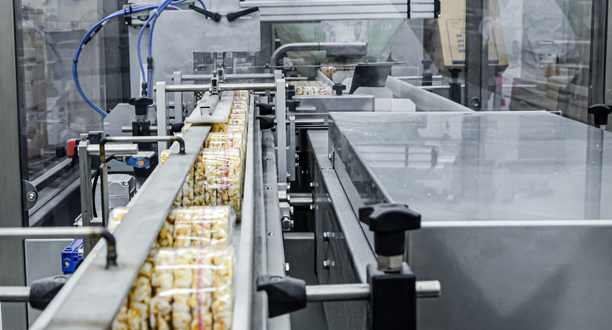
- automated production and packaging lines, to increase productivity and precision;
- robotic systems and collaborative cells, which improve safety and reduce cycle times;
- IIoT networks and infrastructures for intelligent monitoring, for real-time performance control;
- machine vision and traceability systems, to ensure product quality and compliance;
- process automation and motion control, to make every production phase more efficient.
Robotics and human-machine interfaces:
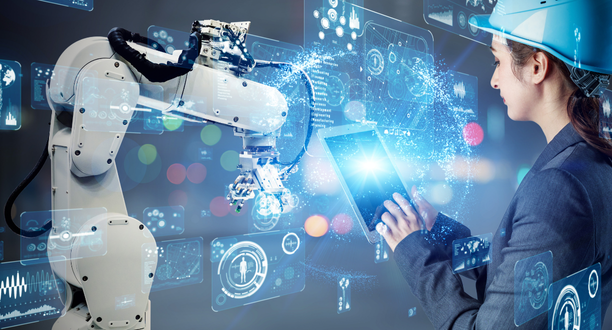
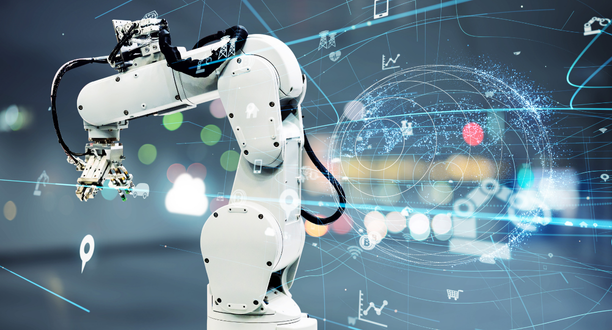
Within industrial automation, system integration finds its highest expression in robotics and human-machine interfaces. We are official distributors of EFORT, a world leader in advanced robotic solutions.
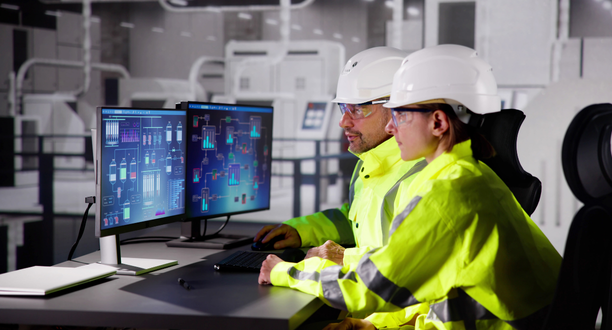
These technologies, integrated with the latest generation of HMIs, promote more intuitive communication between operators and machines, simplifying process control and ensuring smoother and more efficient management of automated plants.
Why choose Sensorline Automation to optimize your industrial automation processes?
Choosing Sensorline Automation means counting on a technical partner with cross-functional experience, capable of combining knowledge of industrial components with a systemic vision of automation.
We analyze needs, evaluate the most effective technologies, and support the client in choosing the highest-performing solution.
Our added value:
- over 25 years of direct experience in the automation and robotics sector;
- a network of leading international brands to guarantee quality and reliability;
- a consulting approach oriented toward integration, innovation, and sustainability;
- rapid response and qualified technical assistance at every stage of the project.
Speak with our automation experts
Our goal is to transform the complexity of automation into integrated, intelligent, and sustainable systems, capable of improving productivity and reducing management costs.
Do you want to optimize the operation of your plants or integrate new technologies into your production line?
Contact our specialists: Sensorline Automation is your partner for system integration and industrial automation consulting.
FAQ
What is meant by system integration in industrial automation?
System integration means creating intelligent connections between machines, sensors, PLCs, HMIs, drives, communication networks, and management software, so that they work as a single coherent and efficient system.
In which cases is it advisable to request industrial automation consulting?
It is advisable to contact a consultant when you want to modernize a plant, introduce IIoT or robotic technologies, or improve productivity without entirely replacing existing machines. Sensorline analyzes the situation and proposes tailor-made integration solutions.
Does Sensorline offer only components or also complete integration projects?
Sensorline Automation is not just a distributor. It also offers technical and design consulting, supporting the client in the selection, configuration, and integration of systems.
Is it necessary to replace the entire plant to achieve efficient integration?
Not always. We often work on existing plants, improving communication between systems and integrating only the components necessary to make them more high-performing.
How to choose an industrial automation system?
The choice of an automation system depends on the type of production process, the level of integration required, and the company’s goals. It is fundamental to evaluate compatibility between sensors, PLCs, HMIs, and communication networks to ensure efficiency and safety.