


Photoelectric Sensors
Brands
- Aplex
- Auer
- Balluff
- Beckhoff
- Binder
- Bk Micro
- Detas
- Detas Ev Chargers
- Detas Ultra
- Dis Sensors
- E+E
- Efort
- EL-MicroWave
- Elco
- Eliko
- Elvem
- Exenta
- Fatek
- Gamma System
- Haake
- Hilscher
- Invt
- Kathrein
- Lenord + Bauer
- Leuze
- Matrix Vision
- Microsonic
- Modus
- Novotechnik
- Optris
- Pizzato
- Posital Fraba
- Proxitron
- ReeR
- Senpum
- Siemens
- Stego
- Tekima
- Telco Sensors
- Teleradio
- Tkd
- Toshiba
- Trafag
- Turck Banner
- Weintek
- Werma
Products
- Capacitive Sensor
- Safety Light Curtains
- Pressure Transducer
- Laser scanner
- Cable Entry
- Inverter
- Encoder
- EV Charger
- Power Supplies
- Ultrasonic/Radar Sensor
- PLC
- Industrial Robot
- Industrial PCs
- Real Time Location System
- Photoelectric Sensors
- Cabling/Networking
- Temperature sensors
- Humidity and Flow Sensors
- Online shop
- Vision systems
- Industrial Gateway
- Industry 5.0
- Safety devices
- Mechanical limit switch
- Static Eliminator
- Visual signals
- HMI Panel
- Linear Transducer
- Industrial Barcode Readers
- Brushless Motor
- Inductive sensor
- Industrial Safety Radio Remote Controls
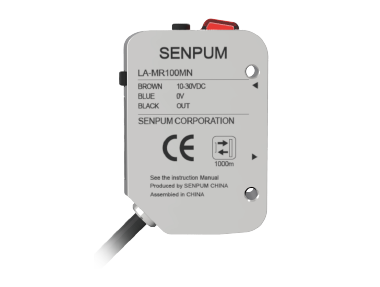
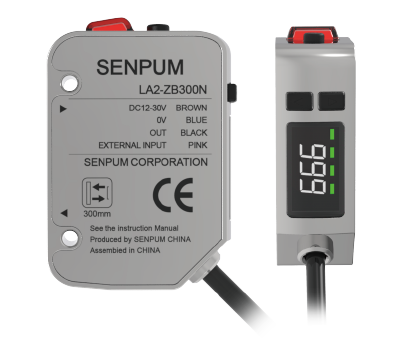
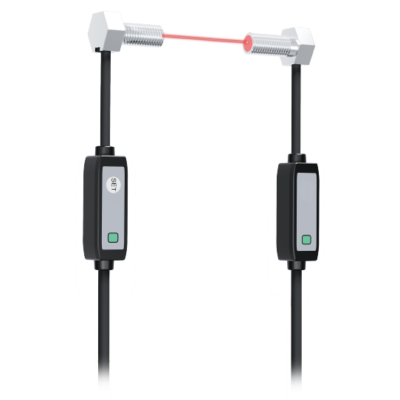
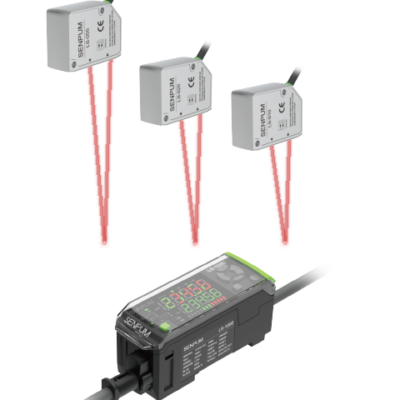
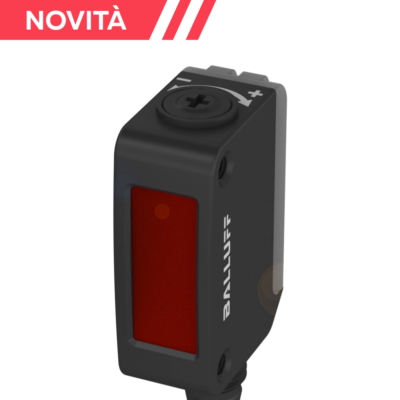
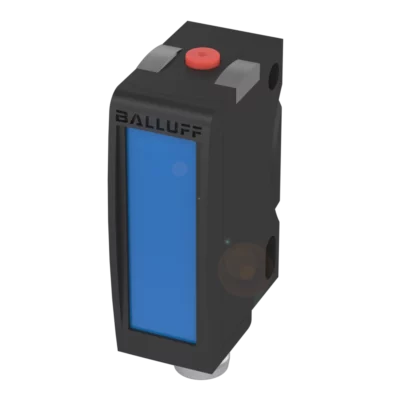
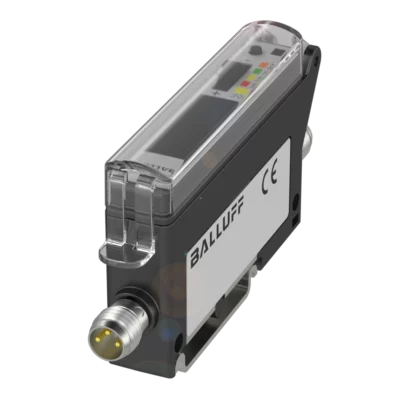
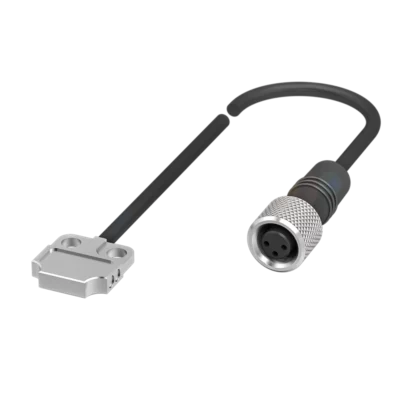
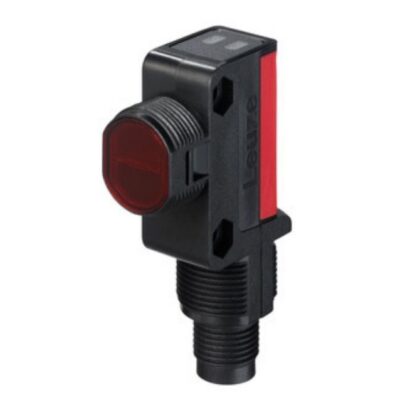
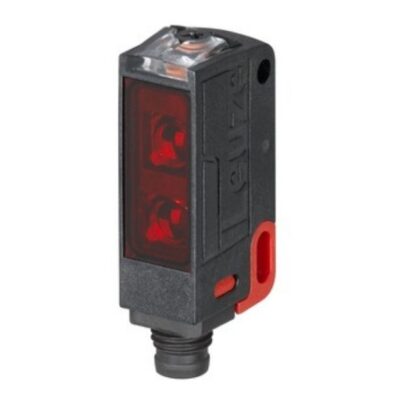
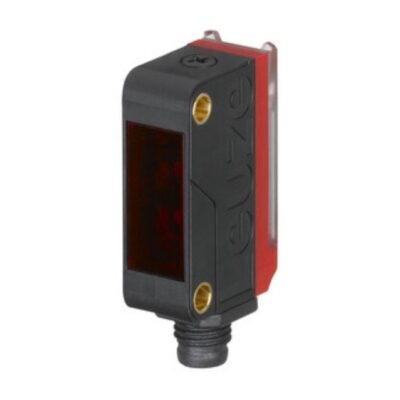
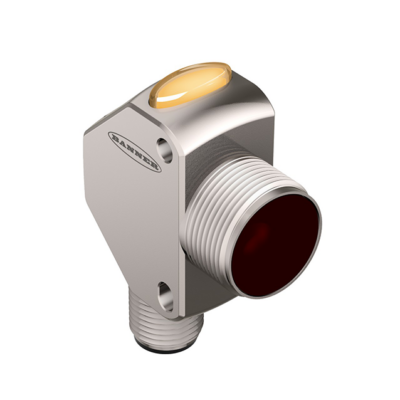
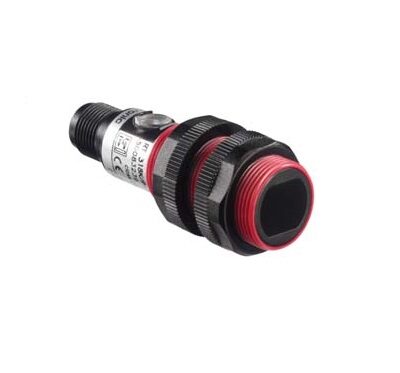
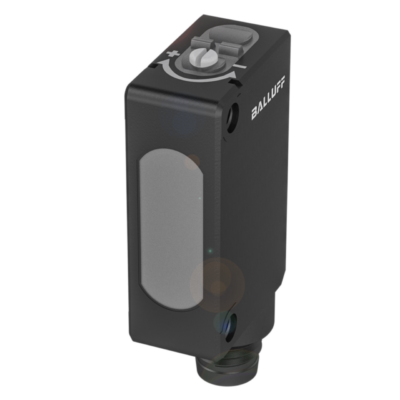

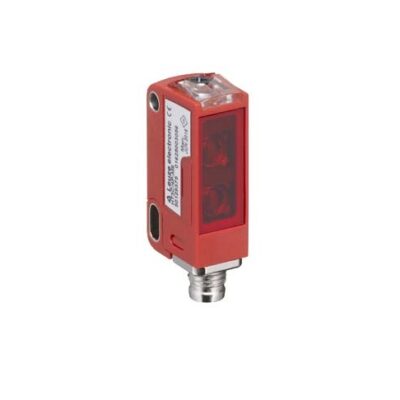
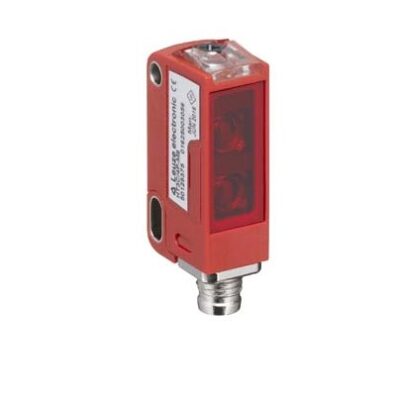
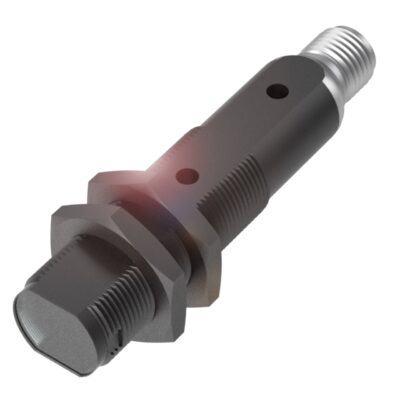
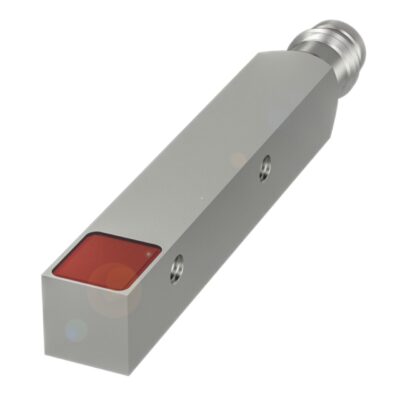
Photoelectric Sensors: What They Are and How They Work
Photoelectric sensors, also known as photoelectric cells or optical sensors, are devices used to detect and/or measure distance. They identify the presence or absence of an object using an optical source, usually infrared, and a photoelectric receiver.
Photoelectric Sensors: What They Are
Photoelectric sensors are electronic devices that exploit a phenomenon called the photoelectric effect, which occurs when a metal, struck by light radiation with specific characteristics, emits electrons. The result is the production of electric current.
The simplest versions of photoelectric sensors consist of a vacuum tube (called a phototube), inside which are an anode and a cathode, two electrodes. When the negatively charged cathode is struck by light, it emits a beam of electrons that are attracted to the anode. This is how electric current is produced within the cell. The intensity of the current increases with increasing light radiation.
Today, semiconductor photoelectric sensors are mainly used, which are based on materials like silicon, with electrical properties halfway between those of metals and insulators. In this case, light irradiates the cell and produces electrical voltage in the silicon crystals, which can be drawn off through the electrodes.
Types of Photoelectric Sensors
Photoelectric sensors are devices used in numerous industrial contexts for object detection, distance measurement, or safety purposes. There are different types of photoelectric sensors, each with specific characteristics and applications. The main types include:
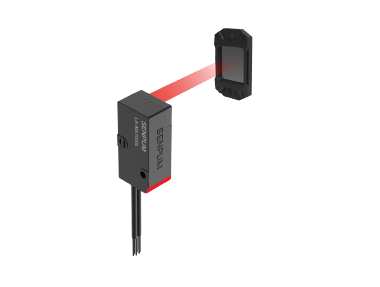
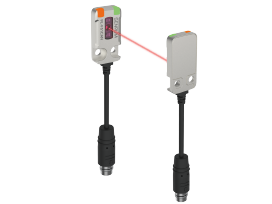
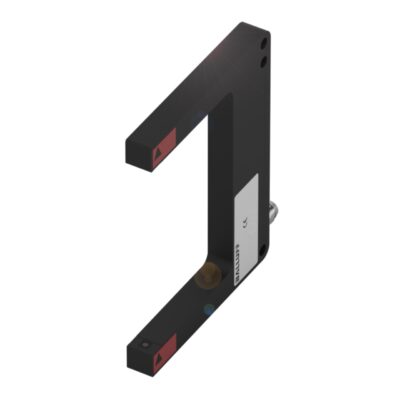
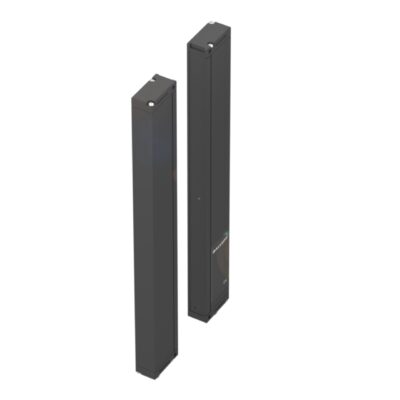
Through-beam photoelectric sensors (or infrared beam sensors): These photoelectric sensors operate via a transmitter that emits a light beam, usually infrared, towards a receiver. When an object interrupts the beam, the receiver detects its absence and activates a signal. They are used for object detection and safety systems, for example, to detect the presence of people or objects in hazardous areas. Through-beam photoelectric sensors are less susceptible to interference because light travels in only one direction. They can cover long distances, up to 20 m.
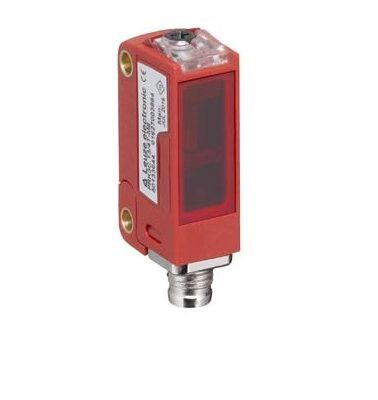
Reflective photoelectric sensors: In this type, the transmitter and receiver are located in the same housing, and the emitted light is reflected by an object back to the receiver. The interruption of the reflected light indicates the object's presence. They are useful for detecting objects in confined spaces.
Fiber optic photoelectric sensors: These use fiber optic cables to guide light from the transmitter to the receiver. The flexible configuration of the fibers allows these photoelectric sensors to be used in confined spaces or environments with complex installation requirements. They are suitable for detecting small objects or for applications in high-temperature or corrosive environments.
Ultrasonic photoelectric sensors: These are not based on light but on ultrasonic waves. They are useful for detecting transparent objects or materials that do not reflect light well, as well as for measuring distances.
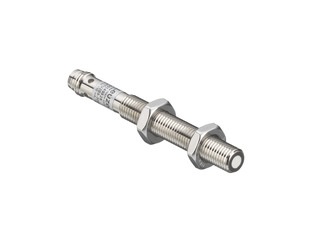
Proximity photoelectric sensors (or capacitive and inductive): These detect the presence of an object without physical contact, based on variations in the electromagnetic or capacitive field. Inductive sensors are typically used to detect metallic objects, while capacitive sensors can detect the presence of non-metallic materials.
Photoelectric Sensors: Key Industrial Applications
Photoelectric sensors find numerous applications in industrial settings thanks to their ability to detect presences and absences, potentially measure distances, and identify light variations with high precision and reliability. Some of the main applications include:
Line control and automation: Photoelectric sensors are widely used in production lines to detect the presence or absence of objects, or to control the position of workpieces, thereby contributing to the automation of production processes.
Industrial safety: Installed near hazardous machinery, photoelectric sensors act as safety devices, automatically interrupting machine operation when they detect the presence of a person or object in a dangerous zone, helping to prevent workplace injuries.
Logistics and warehousing: In logistics, photoelectric sensors are used for monitoring conveyor belts, managing stock, and controlling access in warehouses, ensuring an efficient flow of materials and proper inventory management.
Packaging: Photoelectric sensors are used to control the positioning of objects on packaging lines, verify the presence of labels, seals, or lids, and ensure that packaging occurs correctly and without interruptions.
Quality control: Used to inspect products during production, photoelectric sensors can detect defects, color or dimensional variations, ensuring that only products meeting certain quality standards proceed further in the production chain.
Counting systems: Photoelectric sensors are used to count parts, components, or products on production lines and in packaging applications, providing accurate data for inventory, production planning, and other logistical needs.
Level detection: In industrial settings, photoelectric sensors are used to monitor the levels of solid or liquid materials, helping to manage stock and prevent overflows or run-outs.
These applications demonstrate the versatility of photoelectric sensors and their fundamental role in optimizing industrial processes, improving safety, and increasing production efficiency. ... read more