

Cabling/Networking
Brands
- EL-MicroWave
- E+E
- Elco
- Balluff
- Microsonic
- Beckhoff
- Detas
- Siemens
- Efort
- Exenta
- Hilscher
- Invt
- Leuze
- ReeR
- Senpum
- Pizzato
- Detas Ultra
- Detas Ev Chargers
- Aplex
- Modus
- Toshiba
- Turck Banner
- Weintek
- Werma
- Novotechnik
- Eliko
- Optris
- Teleradio
- Haake
- Binder
- Lenord + Bauer
- Telco Sensors
- Gamma System
- Trafag
- Auer
- Bk Micro
- Tkd
- Kathrein
- Fatek
- Proxitron
- Tekima
- Matrix Vision
- Elvem
- Stego
- Posital Fraba
- Dis Sensors
Products
- Capacitive Sensor
- Safety Light Curtains
- Pressure Transducer
- Laser scanner
- Cable Entry
- Inverter
- Encoder
- EV Charger
- Power Supplies
- Ultrasonic/Radar Sensor
- PLC
- Industrial Robot
- Industrial PCs
- Real Time Location System
- Photoelectric Sensors
- Cabling/Networking
- Temperature sensors
- Humidity and Flow Sensors
- Online shop
- Vision systems
- Industrial Gateway
- Industry 5.0
- Safety devices
- Mechanical limit switch
- Static Eliminator
- Visual signals
- HMI Panel
- Linear Transducer
- Industrial Barcode Readers
- Brushless Motor
- Inductive sensor
- Industrial Safety Radio Remote Controls
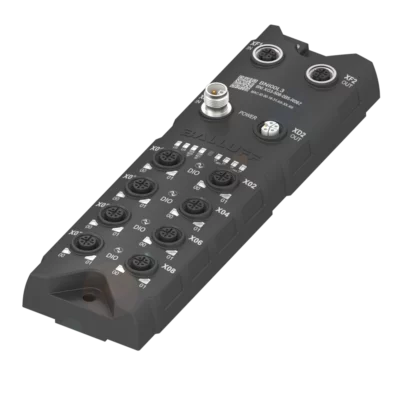
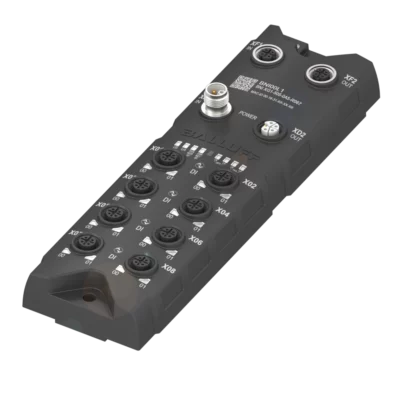
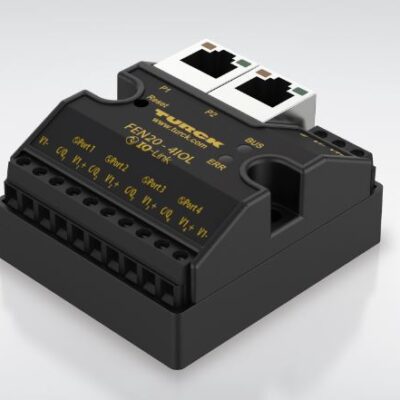
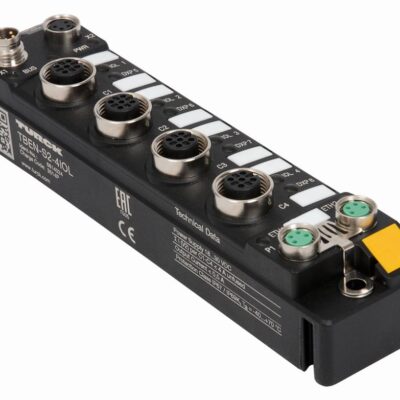
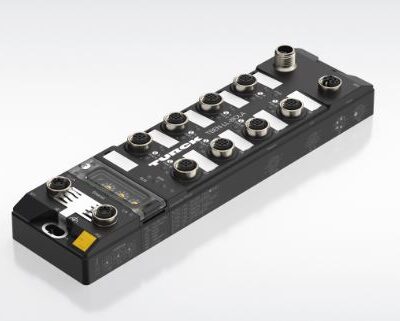
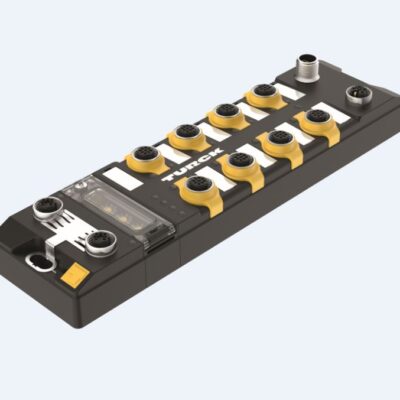
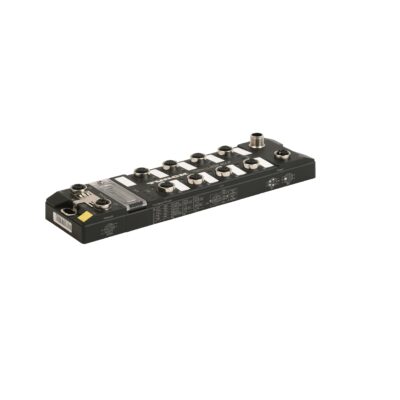
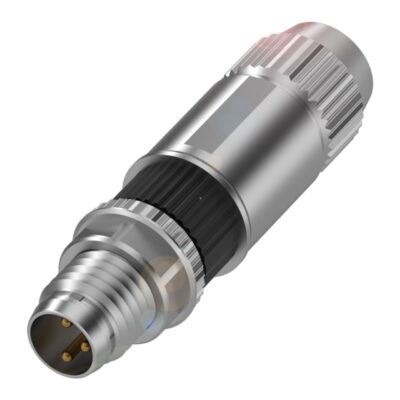
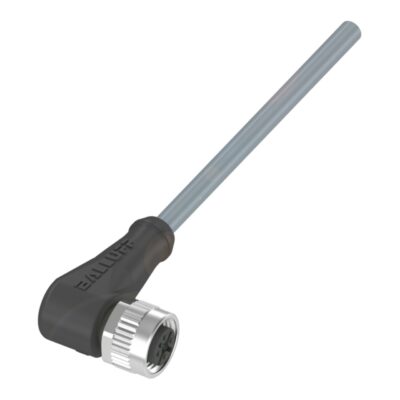

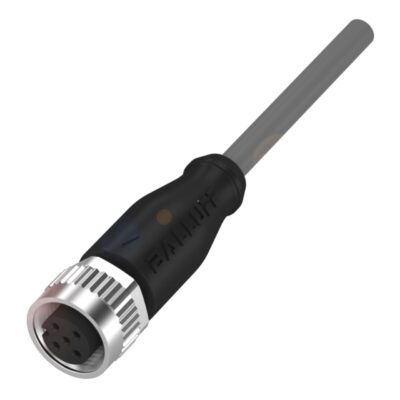
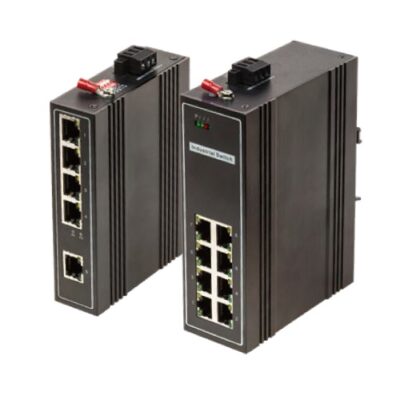
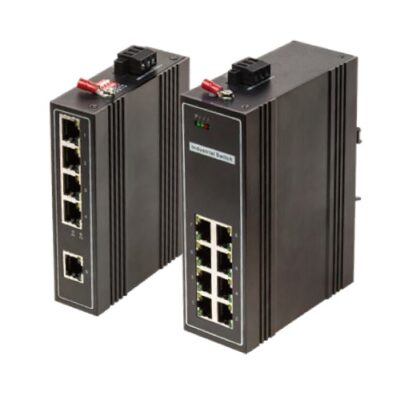
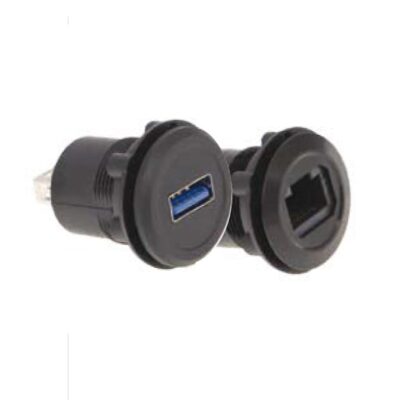
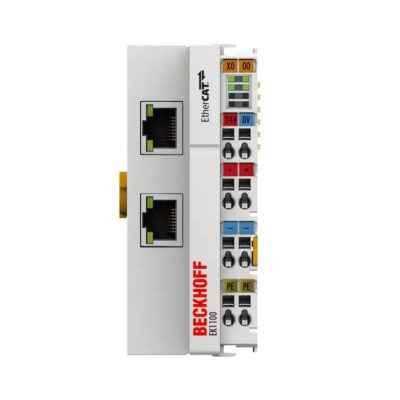
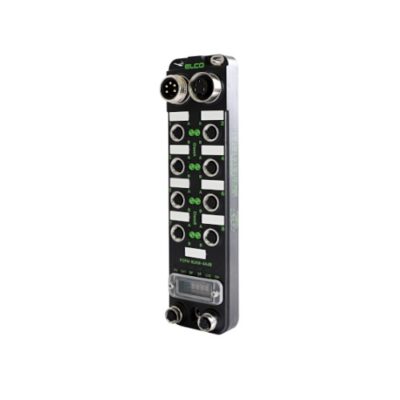
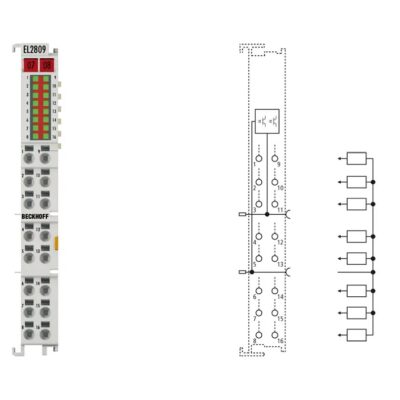
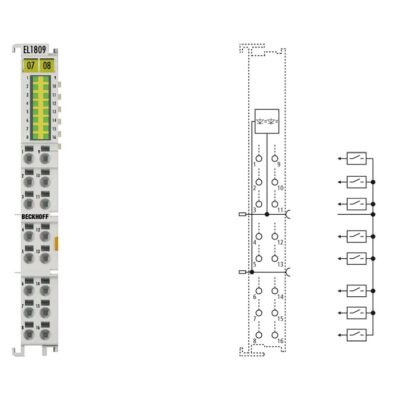
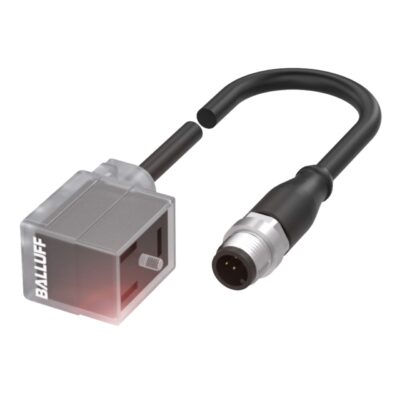
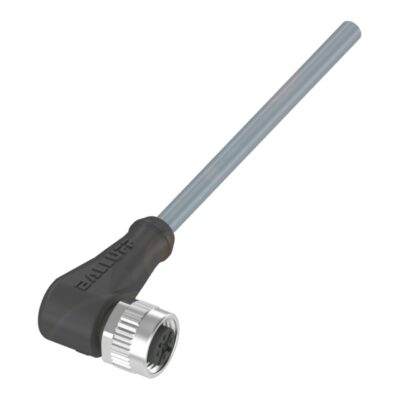
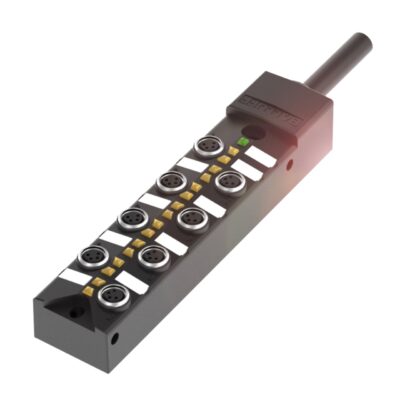
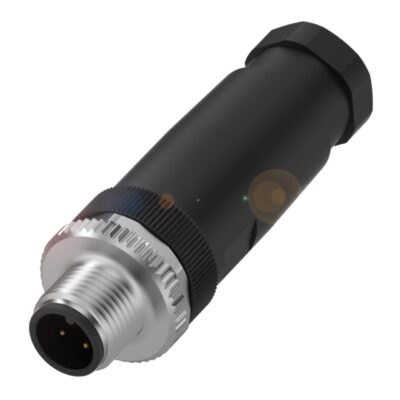
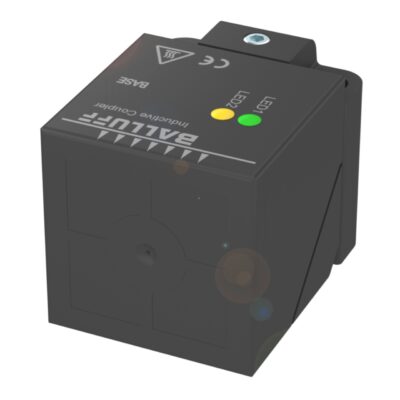
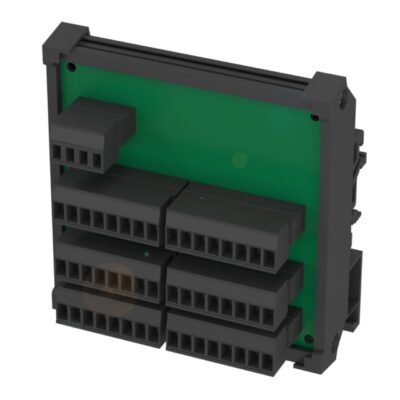
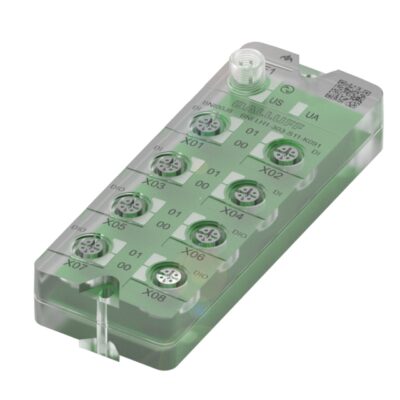
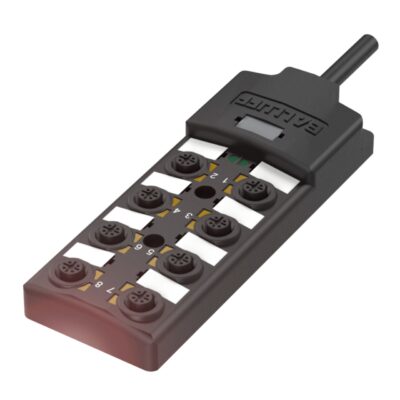
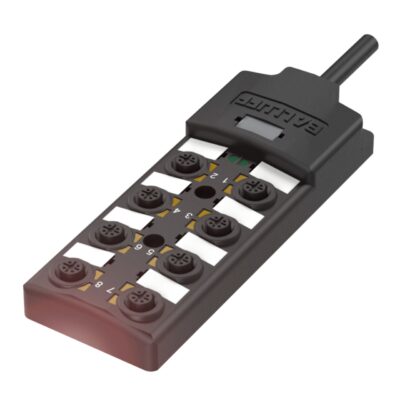
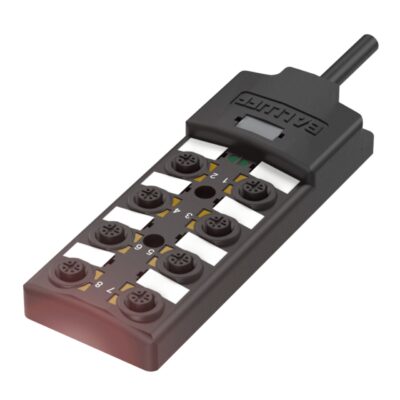
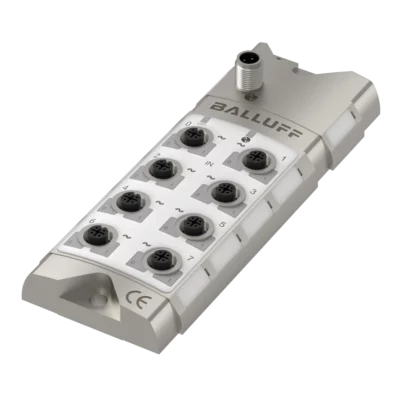
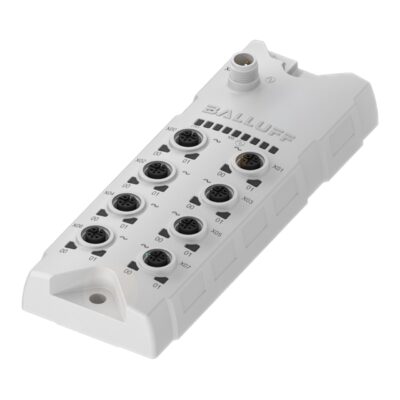
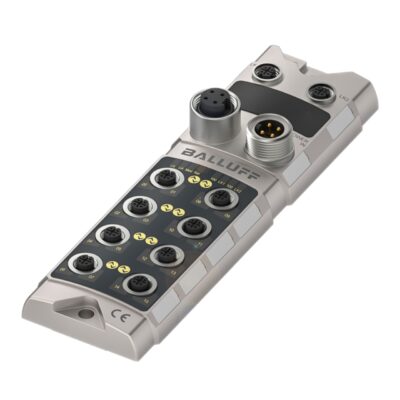
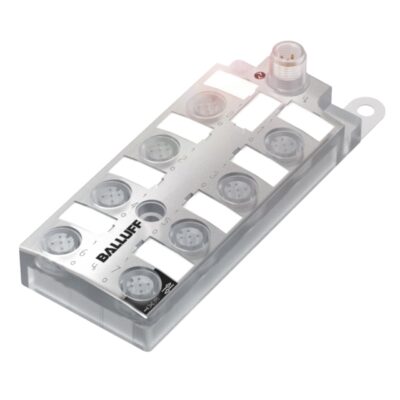
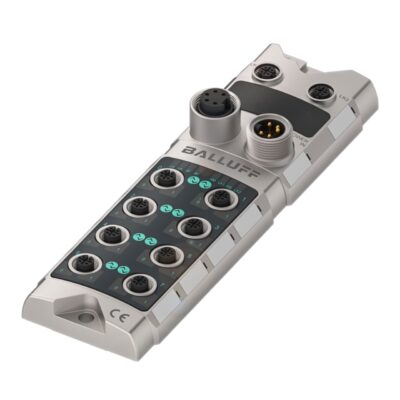
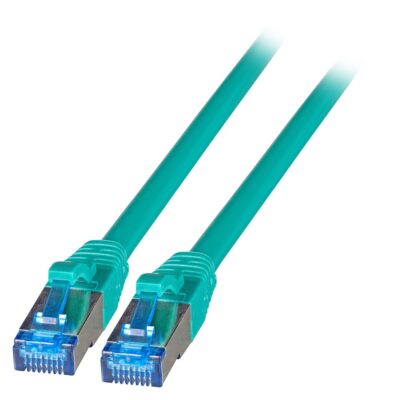
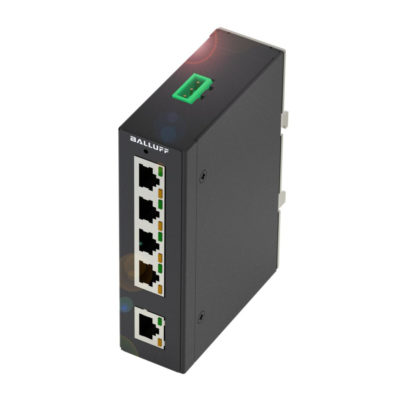
Cabling and networking devices, optimizing corporate communication processes
Cabling and networking devices represent key components that enable communication and effective integration between different equipment, fundamental concepts in the technological evolution of production processes. This page aims to explore the various aspects related to cabling and networking tools within industrial automation, providing a detailed overview of their functions and types.
Cabling, definition and components
Cabling is a set of cables, terminals, and connectors designed to meet the specific requirements of the electronic systems in which they are used. Cabling represents an essential part of various systems and can be used in a variety of industrial applications.
In addition to cables, terminals, and connectors, cabling also includes other accessory components used to protect them in harsh environments or extreme weather conditions, such as:
cable entry systems for pre-terminated and non-terminated cables;
conduit systems;
strain relief cable plates;
EMC shielding.
In some applications, for example, in moving machine parts, fixed cabling is not optimal. In this case, the adoption of contactless transmission systems is preferred, consisting of two components: Remote and Base. The Remote is mounted on the moving part of the application. It connects sensors and actuators with the coupling system. The Base is mounted on the fixed part of the application. It transmits energy to the Remote and receives sensor status information, which it forwards to the controller.
Cabling: main classifications for industrial applications
In the field of industrial automation, there are different types of cabling, each with specific characteristics and intended uses.
Cabling can be classified based on:
Type of signal transmitted:
Electrical Cabling: these cables are designed to carry electrical current between devices and components. They are widely used for powering motors, sensors, actuators, and other electrical devices. They can vary significantly in terms of size, coating, and resistance based on current and voltage requirements;
Data Cabling: Specialized in the transmission of digital or analog signals for communication between control devices, sensors, and actuators. This cabling is fundamental for the exchange of data and information, often using specific protocols such as industrial Ethernet, Fieldbus, or wireless protocols;
Fiber Optic Cabling: used to transmit signals in the form of light pulses, ideal for applications requiring high data transmission speeds and long distances, with high resistance to electromagnetic interference.
Structure:
Structured Cabling: refers to standardized cabling systems designed to minimize complexity and maximize flexibility, allowing for the integration of various devices and services. These systems are organized into subsystems, including horizontal cabling, backbone cabling, and management components;
Modular Cabling: uses standardized connectors and modules to allow for easy configuration, expansion, and maintenance of the cabling system. This flexibility makes them particularly suitable for dynamic industrial environments.
Material:
Copper Cabling: the most common type of cabling, valued for its electrical conductivity and flexibility. Available in various configurations, including single-wire, multi-wire, and shielded, to adapt to various industrial applications;
Aluminum Cabling: less common than copper, but used in some applications for their lightness and lower cost. However, they can present complications in terms of connectivity and corrosion resistance;
Fiber Optic Cabling: made with glass or plastic filaments, these cables transmit light signals and are used when high performance in terms of bandwidth and immunity from interference is required.
The choice of appropriate cabling depends on the specific needs of the plant and the nature of the industrial environment in which it will be installed.
Industrial Cabling and Networking Devices, for success in Industry 5.0
Networking in industrial automation utilizes a series of key components, including:
Network modules: increasingly fast, flexible, efficient, and changing production requires regular communication between the sensor and the Internet. This increases the amount of data within production processes;
Switches: in the industrial automation sector, Ethernet-based network systems are gaining increasing importance;
Wireless IO-Link: the wireless master does not receive its data via cable, but receives sensor data via radio through a bridge or a hub;
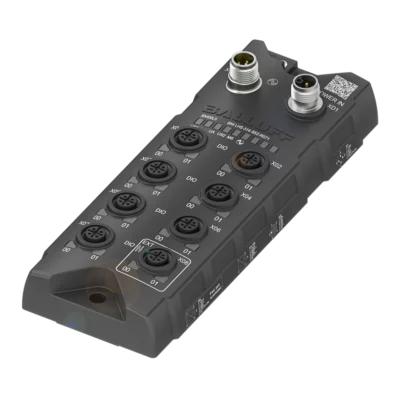
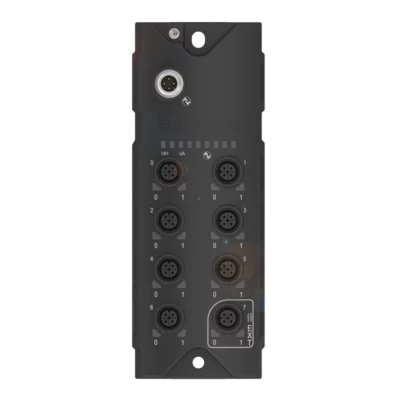
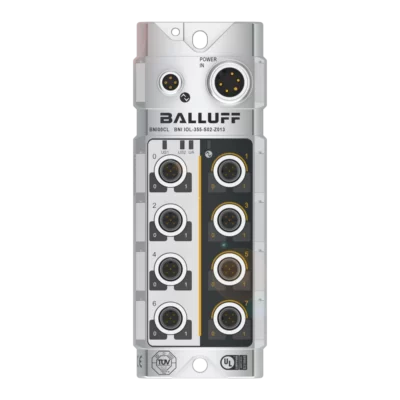
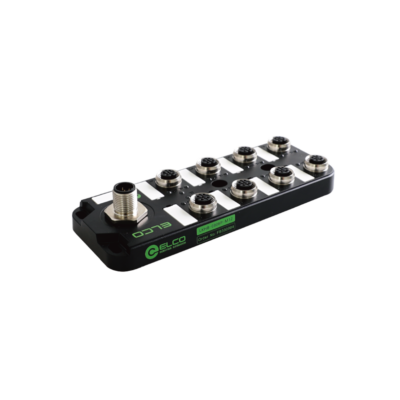
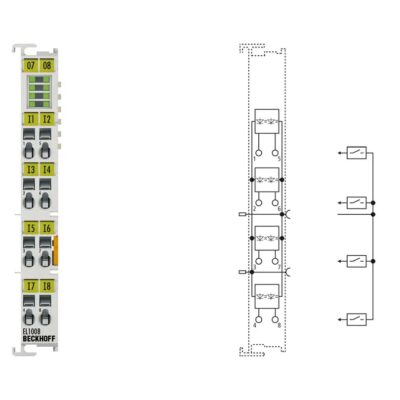
I/O modules: I/O modules connect binary and analog sensors with the control level via a bus. Using modules significantly reduces the number of lines. They also offer additional functions for signal processing and expanded diagnostic options;
Inductive couplers: allow for the contactless transfer of data and energy through an air gap, avoiding mechanical wear.
These devices allow for the creation of complex and highly reliable networks, capable of supporting communication between different automation equipment and control systems. The ever-increasing volume of data and complex communication require powerful and reliable components capable of transporting information across all levels.
The choice of communication protocols plays a fundamental role in industrial networking. Protocols such as EtherNet/IP, Profinet, Modbus, and many others are widely used to facilitate real-time data exchange and ensure interoperability between devices from different manufacturers.
Cabling and networking tools represent the backbone of industrial automation, enabling communication and integration between the different components of a plant. As technologies advance and production needs evolve, the ability to adapt and innovate in these areas will be increasingly crucial for success in Industry 5.0. ... read more