


Visual signals
Brands
- Aplex
- Auer
- Balluff
- Beckhoff
- Binder
- Bk Micro
- Detas
- Detas Ev Chargers
- Detas Ultra
- Dis Sensors
- E+E
- Efort
- EL-MicroWave
- Elco
- Eliko
- Elvem
- Exenta
- Fatek
- Gamma System
- Haake
- Hilscher
- Invt
- Kathrein
- Lenord + Bauer
- Leuze
- Matrix Vision
- Microsonic
- Modus
- Novotechnik
- Optris
- Pizzato
- Posital Fraba
- Proxitron
- ReeR
- Senpum
- Siemens
- Stego
- Tekima
- Telco Sensors
- Teleradio
- Tkd
- Toshiba
- Trafag
- Turck Banner
- Weintek
- Werma
Products
- Capacitive Sensor
- Safety Light Curtains
- Pressure Transducer
- Laser scanner
- Cable Entry
- Inverter
- Encoder
- EV Charger
- Power Supplies
- Ultrasonic/Radar Sensor
- PLC
- Industrial Robot
- Industrial PCs
- Real Time Location System
- Photoelectric Sensors
- Cabling/Networking
- Temperature sensors
- Humidity and Flow Sensors
- Online shop
- Vision systems
- Industrial Gateway
- Industry 5.0
- Safety devices
- Mechanical limit switch
- Static Eliminator
- Visual signals
- HMI Panel
- Linear Transducer
- Industrial Barcode Readers
- Brushless Motor
- Inductive sensor
- Industrial Safety Radio Remote Controls
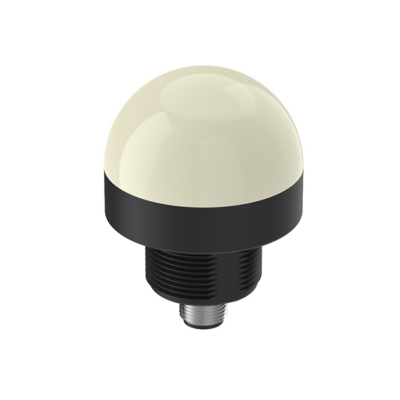
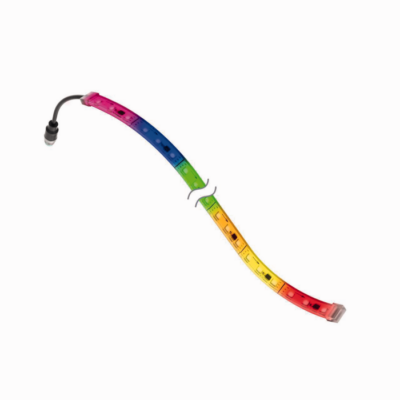
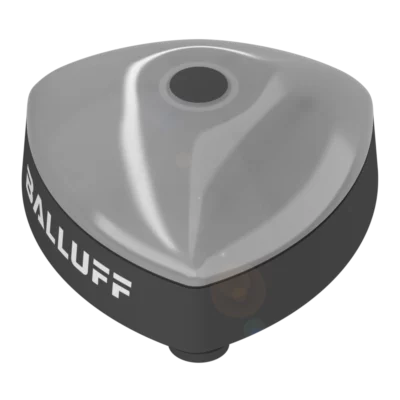
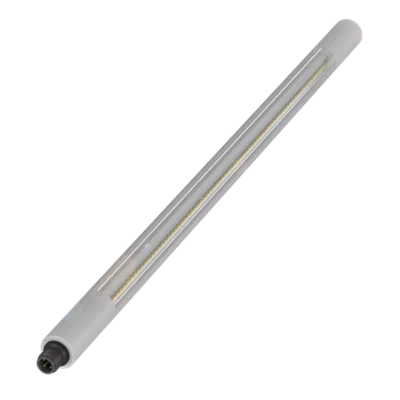
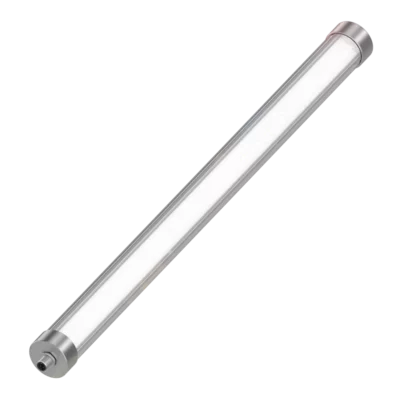
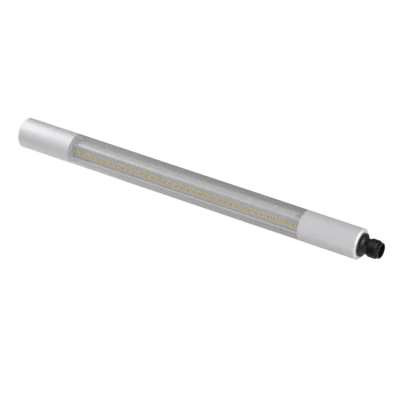
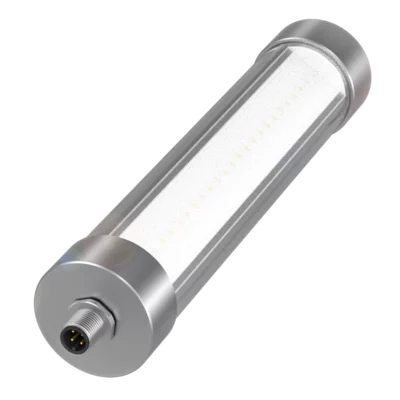
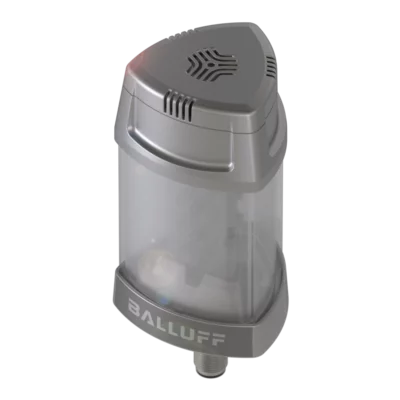
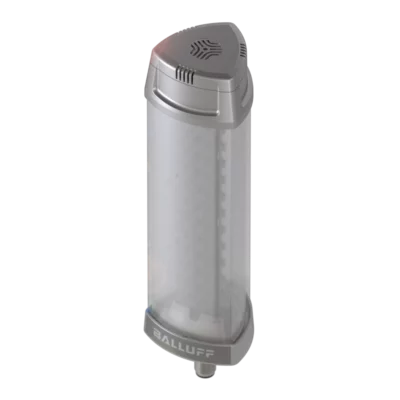
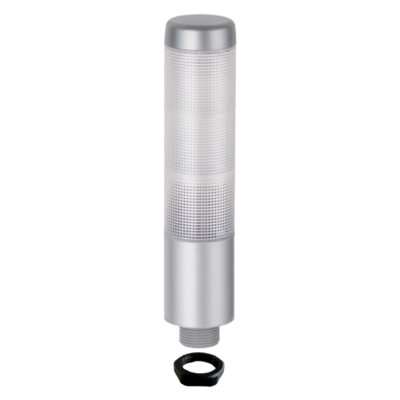
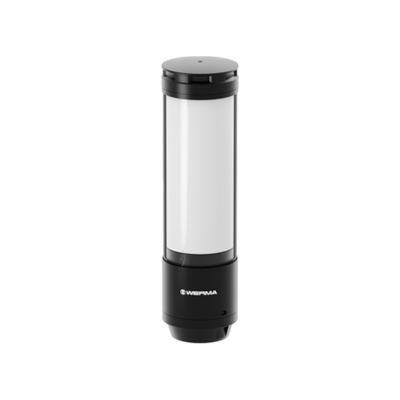
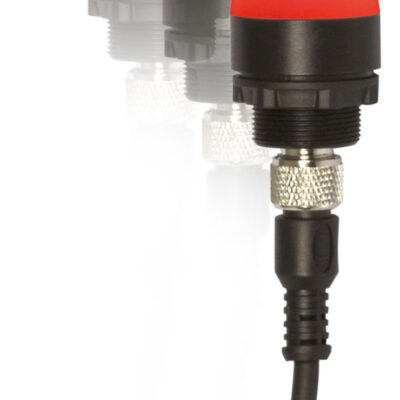
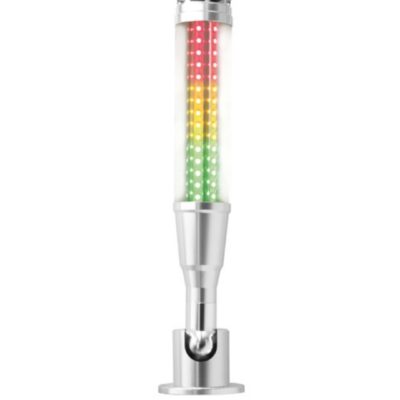
Visual signals: what they are and what they are for
Visual signals are warning devices that fall under safety devices, used to indicate the operating status of another device or system. The light signal is a component of the visual signaling device, a unit designed to visually communicate information about the status of an application.
These devices can be used in a wide range of sectors and applications where it is necessary to visually signal operating conditions, status changes, or caution situations.
Structure and components of a visual signaling device
A visual signaling device consists of four fundamental parts:
lens or diffuser, which allows the light to spread;
light source, which represents the heart of the signaling device and can be a lamp or an LED;
plastic support, which forms the body of the signaling device;
electrical circuit, which powers the light source and controls its operation.
The combination of these elements allows the device to generate the light signal and indicate the operating status of the application to which it is connected.
The meaning of colors in visual signals
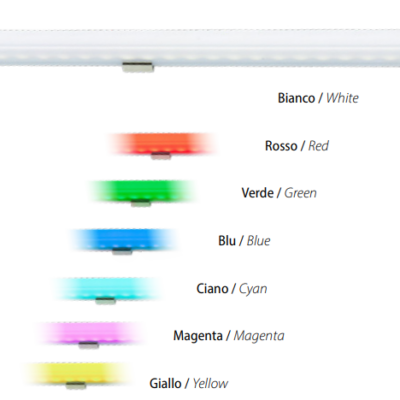
The different messages sent by visual signals are represented by the color of the emitted light, which is often associated with a specific application status.
For example:
red light: can indicate that the device is off;
green light: can indicate that the device is on;
yellow light: can indicate that the device is in a fault state.
The use of different colors therefore allows for the rapid transmission of information on the operation of the monitored device or system.
Characteristics of visual signals
The characteristics of visual signals can be divided into two main categories: physical characteristics and functional characteristics.
Physical characteristics
Physical characteristics include:
dimensions;
shape;
color.
Functional characteristics
Functional characteristics concern the behavior of the light signal and the ways in which it is emitted.
Among the main ones we find:
light effect: the light signal can emit light in different ways, including flashing, flash, rotating, steady, or strobe light;
bulb type: the signaling device can use different technologies, including gas discharge tubes, halogen bulbs, incandescent bulbs, LED, and xenon;
indoor and outdoor use.
Types of visual signals
There are different types of visual signals, which can vary based on their use or the mode of light emission.
Among the main types we find:
rotating visual signals, which emit light with a circular movement;
flashing visual signals, which emit light intermittently;
LED visual signals, powered by LEDs and characterized by lower energy consumption compared to other technologies;
emergency visual signals, designed to be used in case of emergency and often equipped with a backup battery that guarantees operation even in the event of a power outage.
Functions and applications of visual signals
The visual signals perform various functions and can be used for:
safety, to indicate dangerous situations or emergency conditions;
control, to monitor the operating status of machines and equipment;
communication, to transmit visual information to users.
These devices find application in various sectors, including:
agricultural sector;
construction;
special vehicles;
commercial field.
... read more