


Cable Entry
Brands
- Aplex
- Auer
- Balluff
- Beckhoff
- Binder
- Bk Micro
- Detas
- Detas Ev Chargers
- Detas Ultra
- Dis Sensors
- E+E
- Efort
- EL-MicroWave
- Elco
- Eliko
- Elvem
- Exenta
- Fatek
- Gamma System
- Haake
- Hilscher
- Invt
- Kathrein
- Lenord + Bauer
- Leuze
- Matrix Vision
- Microsonic
- Modus
- Novotechnik
- Optris
- Pizzato
- Posital Fraba
- Proxitron
- ReeR
- Senpum
- Siemens
- Stego
- Tekima
- Telco Sensors
- Teleradio
- Tkd
- Toshiba
- Trafag
- Turck Banner
- Weintek
- Werma
Products
- Capacitive Sensor
- Safety Light Curtains
- Pressure Transducer
- Laser scanner
- Cable Entry
- Inverter
- Encoder
- EV Charger
- Power Supplies
- Ultrasonic/Radar Sensor
- PLC
- Industrial Robot
- Industrial PCs
- Real Time Location System
- Photoelectric Sensors
- Cabling/Networking
- Temperature sensors
- Humidity and Flow Sensors
- Online shop
- Vision systems
- Industrial Gateway
- Industry 5.0
- Safety devices
- Mechanical limit switch
- Static Eliminator
- Visual signals
- HMI Panel
- Linear Transducer
- Industrial Barcode Readers
- Brushless Motor
- Inductive sensor
- Industrial Safety Radio Remote Controls
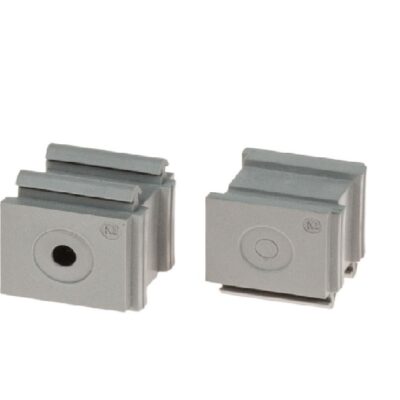
Cable Glands: Secure Protection for Electrical Cables
Cable glands are plastic or rubber pieces that cover an edge. Cable glands are primarily used for electrical installations, for example, when wires need to pass through a panel.
Cable Glands: What Are They?
A fundamental aspect of the electronics industry is the securing of system cables. The most suitable solution for this task is the cable gland. Cable glands are external conduits useful for the wiring of an electrical system.
There are different types depending on their application. They can be used in various circumstances, such as:
expansion or modification of the electrical system with reduced time and costs;
sealed fastening of a cable entering an electrical cabinet or junction box
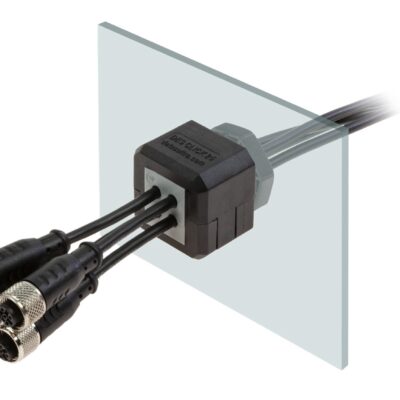
wall feed-through with terminated cables for clean and organized wiring.
Cable glands can be made from various materials, such as plastic, rubber, and nylon. Among these, PVC is the most common material due to its resistance and durability. Most cable glands are black, but they are also available in other colors. Furthermore, they can have very varied shapes; what does not change is the principle for which they are designed: to make cable routing functional, preventing dangers for those who inhabit adjacent spaces.
Cable Glands: The Different Types
There are different types of cable glands, which vary depending on their use. Among the most common are:
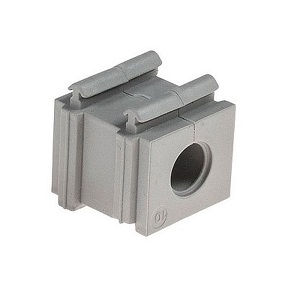
Round/Oval Cable Glands: These fit into cable entry holes cut into panels. This type of cable gland is often used to protect cables from sharp cutting edges or as protection for the cable against deformation;
Cable Glands with Membrane: These ensure a high degree of electrical insulation and good protection against water and dust ingress. During installation, the membrane can be pierced according to the cable diameter;
Single-Edge Cable Glands: These ensure good heat resistance and do not break at low temperatures. Additionally, they have good resistance to greases, gasoline, organic solvents, and ozone. Finally, they feature extraordinary flexibility and good electrical properties;
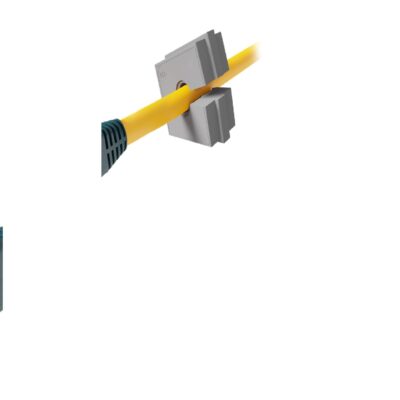
Cable Glands for Unterminated Cables: Cable glands for unterminated cables are devices or components designed to facilitate the passage of cables that do not yet have connectors mounted at their ends through openings or barriers, such as walls, panels, or furniture. These cable glands are particularly useful during the installation of electrical or network systems when it is necessary to route cables from one part of a structure to another before attaching the final connectors;
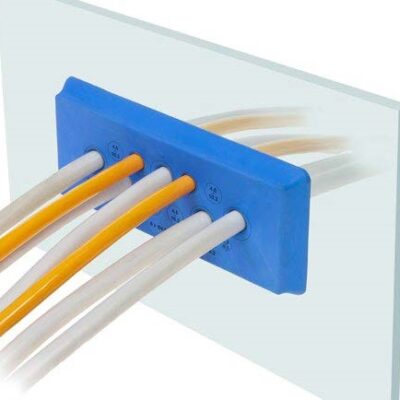
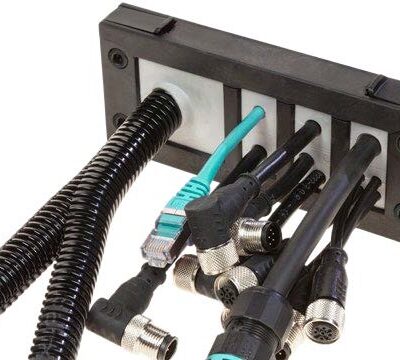
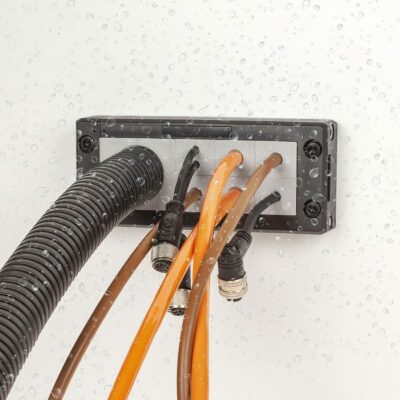
Cable Entry Plates or Frames: These feature a rigid and robust frame and two membranes made of special, flexible materials which, if a cable is pulled out, allow the hole to be re-sealed. Cables are installed by simply pushing them from the outside through the membranes. In the case of frames, a sealed passage is ensured by pre-cut grommets.
Furthermore, other accessory components that complete the offering also fall into the cable gland category:
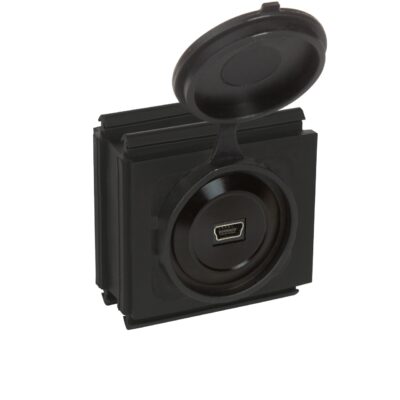
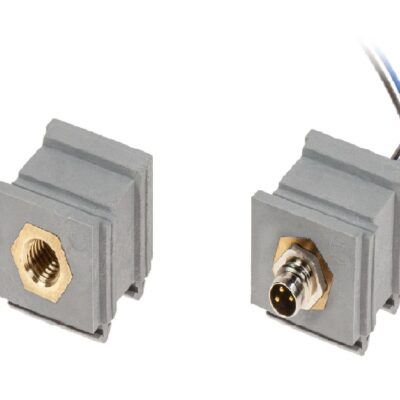
Cable Entry Systems for Terminated and Unterminated Cables: These systems facilitate the passage of cables through openings or barriers, protecting them from damage. Systems for terminated cables are designed for cables that already have connectors at their ends, while those for unterminated cables are suitable for cables without connectors, allowing the cable to be inserted and the connector subsequently mounted;
Systems for Conduits: These systems are used to group, protect, and manage cables within protective conduits. Conduits can be made of various materials, such as plastic, fabric, or metal, and provide protection against abrasions, interference, and other environmental factors;
Anti-Strain Cable Combs: These are devices used to organize and hold cables in place within electrical cabinets, panels, or racks. The anti-strain design ensures that cables are securely fastened and reduces the risk of damage due to tension, twisting, or pulling;
EMC Shielding: EMC shielding is a technique used to protect electronic devices from electromagnetic interference (EMI), both emitted and received. This is achieved through the use of conductive or magnetically permeable materials that reflect or absorb electromagnetic waves, thereby preventing disturbances in device performance.
Cable Glands: Aspects to Consider for Choosing the Right Ones
To choose the right cable glands, some important aspects must be considered. First, it is necessary to know three basic dimensions:
cable diameter;
panel hole diameter;
Hole thickness.
Once these three dimensions are obtained, the choice of cable glands will be simplified. Other useful aspects to consider when choosing cable glands are certainly their water resistance, as well as aesthetics, especially if they are cable glands for civil use. Another important aspect is the lifespan of a system: a temporary installation allows for purchasing lower quality and thus lower priced cable glands. ... read more