


Safety devices
Brands
- Aplex
- Auer
- Balluff
- Beckhoff
- Binder
- Bk Micro
- Detas
- Detas Ev Chargers
- Detas Ultra
- Dis Sensors
- E+E
- Efort
- EL-MicroWave
- Elco
- Eliko
- Elvem
- Exenta
- Fatek
- Gamma System
- Haake
- Hilscher
- Invt
- Kathrein
- Lenord + Bauer
- Leuze
- Matrix Vision
- Microsonic
- Modus
- Novotechnik
- Optris
- Pizzato
- Posital Fraba
- Proxitron
- ReeR
- Senpum
- Siemens
- Stego
- Tekima
- Telco Sensors
- Teleradio
- Tkd
- Toshiba
- Trafag
- Turck Banner
- Weintek
- Werma
Products
- Capacitive Sensor
- Safety Light Curtains
- Pressure Transducer
- Laser scanner
- Cable Entry
- Inverter
- Encoder
- EV Charger
- Power Supplies
- Ultrasonic/Radar Sensor
- PLC
- Industrial Robot
- Industrial PCs
- Real Time Location System
- Photoelectric Sensors
- Cabling/Networking
- Temperature sensors
- Humidity and Flow Sensors
- Online shop
- Vision systems
- Industrial Gateway
- Industry 5.0
- Safety devices
- Mechanical limit switch
- Static Eliminator
- Visual signals
- HMI Panel
- Linear Transducer
- Industrial Barcode Readers
- Brushless Motor
- Inductive sensor
- Industrial Safety Radio Remote Controls
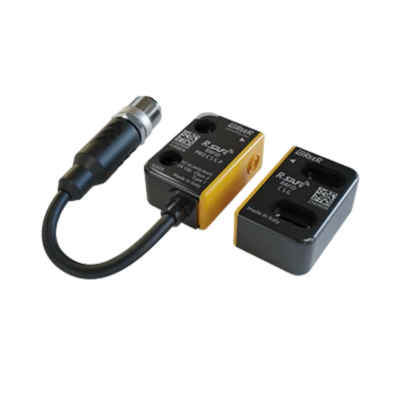
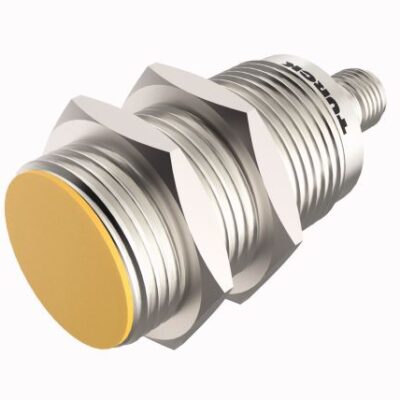
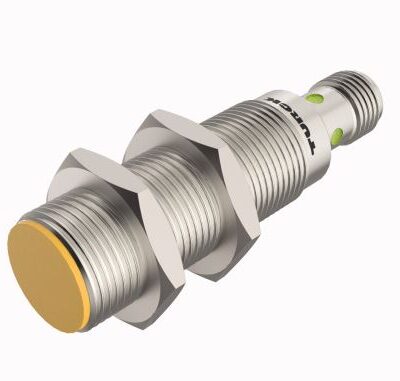
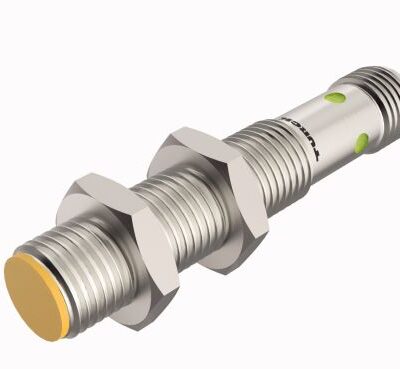

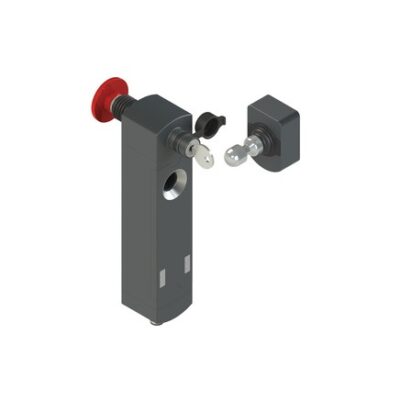
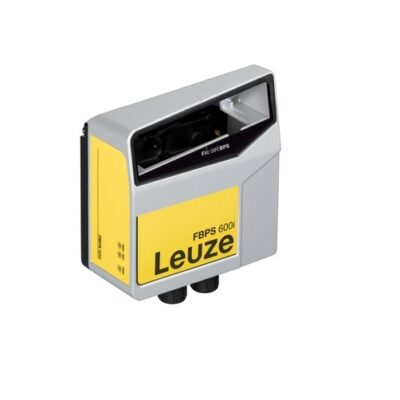
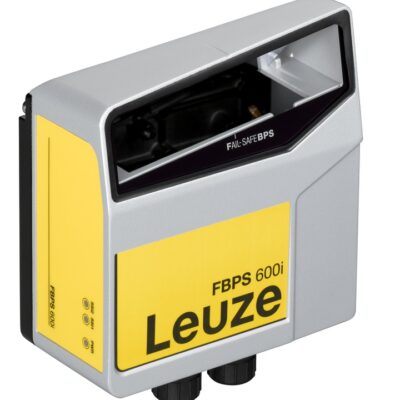
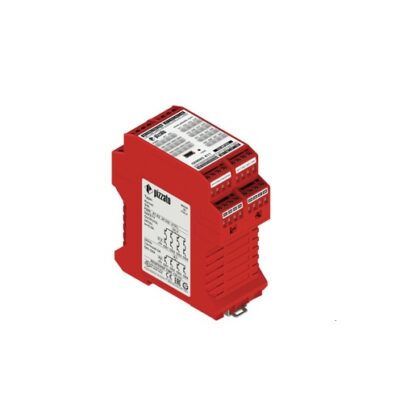
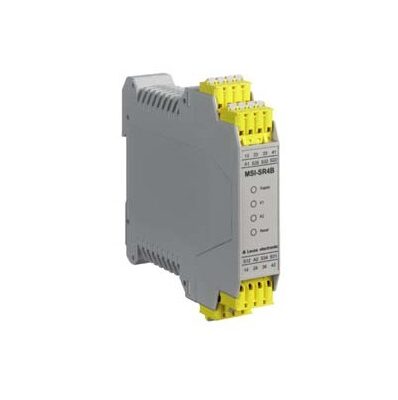

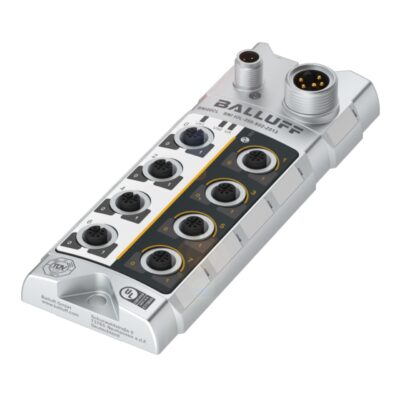
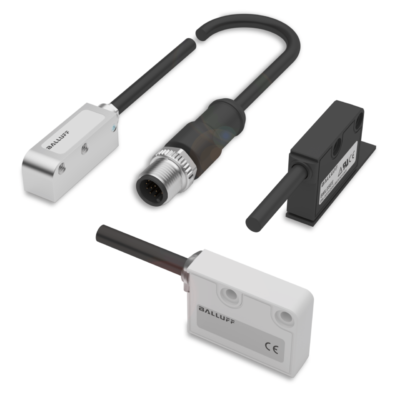
Industrial safety devices for machines and plants
With the advancement of technology and the increasing complexity of industrial operations, safety devices have taken on an increasingly central role in preventing accidents and ensuring a safe working environment.
Safety devices: categories and main types
In industrial environments, machinery and plants play a crucial role in daily operations. However, if not managed correctly, they can represent significant safety risks. Here are some of the most important safety devices used in this context:
Interlocking Systems
Interlocking systems are designed to prevent access to moving or dangerous machinery parts. The main purposes of interlocking systems are:
Physically blocking access to certain areas of the machinery during operation;
deactivating the machinery if a safety door is opened.
Physical Safety Barriers
Physical barriers are used to delimit work areas and prevent unauthorized access to machinery. They may include:
safety fencing;
protective barriers;
safety edges;
bumpers
Safety Sensors
Safety sensors detect the presence of people or objects near the machinery and can activate automatic stop systems to prevent injuries. They include:
photoelectric sensors;
safety mats;
cable-pull or lever safety switches;
coded magnetic sensors.
Industrial safety devices: purposes and advantages
Safety devices in the industrial context are fundamental for several reasons:
Worker Protection
The primary purpose of these devices is to ensure the physical safety of workers. By preventing accidents and reducing the likelihood of injury, they contribute to creating a safer work environment.
Accident Prevention
Safety devices are designed to reduce the risk of accidents. For example, interlocking systems prevent access to moving machinery, while safety sensors can automatically stop a machine if human presence is detected nearby.
Regulatory Compliance
Industries must adhere to strict safety regulations set by government bodies and international organizations. The appropriate use of safety devices helps companies comply with these legal standards.
Reduction of Downtime
Workplace injuries can lead to significant downtime, affecting productivity. By using safety devices, industries can reduce the frequency and severity of accidents, thereby minimizing downtime.
Productivity Improvement
Thanks to safety devices, workers are more likely to perform their tasks effectively as they feel protected and valued.
Machinery Protection
In addition to protecting workers, these devices also safeguard the machinery itself. By preventing misuse or accidents, the useful life of the machinery is extended and maintenance and replacement costs are reduced.
Emergency Management
In the event of an emergency, such as fires or the release of hazardous chemicals, safety devices like alarms and automatic shutdown systems can rapidly reduce risks to health and the environment.
Safety devices for industrial machinery and plants are essential for preventing injuries and ensuring a safe work environment. Their implementation and constant maintenance is a key responsibility of every industrial company, not only to comply with regulations but also to protect the life and well-being of their employees. ... read more